Showing posts with label Food. Show all posts

Thursday, March 5, 2015

The 7 Principles of Fat Loss


Unfortunately, anyone attempting to develop a diet and fitness plan to lose fat and keep it off is swimming against the current these days. There is so much conflicting information about the best way to lose fat that many people are suffering from paralysis through analysis. Do you go low-carb or low-fat? Do you count calories or not? Should you strength train or do cardio -- and what type? Are gluten and wheat really bad for you? What about the Paleo approach? How much protein do you need in a fat-loss phase? It can be exhausting for well-meaning people who want results to sift through all of this information and apply a practical, maintainable and fact-based approach. Read on to learn about the seven foundational fat-loss principles that the world’s leading experts use with their clients to get results.
1. Establish Your Fat-Loss Calorie Requirements
There is a reason this principle is first: If you get this wrong, you can apply the other six principles and experience very little success. Yes, calories do count a great deal. There are different tools and formulas that you can use to track them. To determine your calorie needs for weight loss, simply enter your age, current weight, weight-loss goal, height and gender, and your needs are determined in seconds. The number provided by the tool is your baseline calorie requirement for weight loss. If you’re active or exercise regularly, you can factor in these activities and your calorie needs will increase. Holly Mitchell, an International Federation of Bodybuilding and Fitness figure professional and nutrition coach with Lean Bodies Consulting, cautions against dropping calories too low too fast. “The goal is to see how much you can eat and still lose fat, not how little. If you start out with too large of a caloric deficit and plateau, you’ll have nowhere to go,” she adds.
2. Consume Adequate Protein
Eating enough protein is a critical component of an effective fat-loss plan. Kelly Plowe recommends including protein at meals and snacks for increased satiety and preserving muscle when trying to lose weight. “Getting enough protein in your diet is fairly easy to do with a little effort,” says Plowe. “Try incorporating eggs into your breakfast and yogurt and nut butters into your snacks, and aim to include lean proteins like chicken, fish and beans at lunch and dinner.” A 2013 study of 39 adults looked at the impact of a calorie-deficit diet with three different levels of protein intake -- the Recommended Daily Allowance (RDA), two times the RDA and three times the RDA. While all groups lost weight after 31 days, the loss of fat mass was higher in the two higher-protein diet groups. Mike Roussell, Ph.D., a private nutrition consultant is also an advocate of protein. “It is best to spread your protein intake evenly across your meals while also having a fast-digesting form of protein (e.g., protein shake) immediately after exercise,” advises Roussell.
3. Don’t Fear Carbohydrates
You need not fear carbohydrates because they can help you get more out of your workouts. Mike Roussell, Ph.D., a private nutrition consultant and Shape magazine’s “Diet Doctor,” feels carbohydrates are essential for hard-training individuals. “Eating carbohydrates before or drinking them during training can help you fight fatigue, work harder and burn more fat,” says Roussell. He also points out the importance of post-workout carb consumption because “carbohydrates eaten after you exercise will be preferentially shuttled towards your muscles so that they are refueled for your next training session.”


4. Don’t Attempt to Out-Train a Bad Diet
Trying to exercise off body fat is analogous to trying to drive a nail into a board with a screwdriver. If you bang away long enough, you might get the nail in a little bit, but it would be far more efficient just to use a hammer. In the case of fat loss, proper nutrition is the hammer. Exercising, a combination of strength training and cardiovascular exercise, seven days a week for an hour for the average person will burn about 3,000 calories. That’s less than a pound of fat. That’s a serious time commitment. On the other hand, how much time does it take to not eat those extra 3,000 calories? None. Use a combination of exercise and a good diet to enhance fitness and retain lean muscle mass while losing weight.
5. Prioritize Strength Training
Retaining lean muscle tissue is of paramount importance when in a calorie deficit, and the best way to ensure that happens is by prioritizing strength training. Tony Gentilcore, CSCS, CPT, and co-founder of Cressey Performance in Hudson, Massachusetts, is quick to point out that “what makes muscle keeps muscle.” Gentilcore feels one of the biggest mistakes people make when following a fat-loss plan is underestimating the value of strength training. “The goal should be to maintain as much muscle as possible,” he says. “Adding in more and more training volume, whether it be more cardio or higher-rep resistance training, especially in a caloric deficit, is a great way to lose muscle.” The solution? Gentilcore advises implementing traditional strength work into the mix: heavier loads for five to eight reps per set. “This will not only keep you strong, but it will also provide the stimulus the body needs to keep muscle,” he says.
6. Food Variety Is Not Your Friend
Variety may be the spice of life, but when it comes to fat loss, too much can be counterproductive. Optimal fat loss requires quantification - particularly regarding calories. Incorporating too many foods into your diet can make this quantification tedious, frustrating, impractical and time-consuming. I encourage people to pick four to five sources of protein, fat and starch and build their fat-loss diet around those. This keeps grocery shopping, quantification and meal prep simple. Attempting to incorporate several dozen foods and complex recipes will likely make it difficult to stay on track, and you’ll be spending endless hours in the kitchen. Keep it simple at first. Once you start to develop a routine, you can begin to add in new type of proteins, carbohydrates and fat.
7. Don’t Buy In To Supplement Hype
As much as we want to believe a magic pill, liquid, herb, plant or potion will melt away our fat, the reality is the vast majority of nutritional supplements marketed as fat-loss supernovas are largely ineffective. How can this be, given all the amazing studies these supplements tout? “Two words: mouse and rat,” says Kamel Patel, M.P.H., M.B.A., Ph.D., director of Examine.com. “Many fat-loss supplements have great evidence in animal models, such as the diabetic-rat model, but don’t do so well in human studies,” says Patel. What’s more, you need to follow the money because “human studies are often poorly designed and funded by the supplement manufacturer,” adds Patel. He also points out that even supplements that have a minor positive effect burn far fewer calories than just a few minutes of exercise, and they can have adverse side effects such as insomnia and jitters. Lastly, the supplement industry is loosely regulated, so often claims are made without sufficient substantiation or regulation of the product’s contents.

                                              Billy Blanks - Tae Bo T3 Transformation
                                                    

Monday, July 7, 2014

18 Habits That Can Make you Fat

Struggling to lose weight? Or maybe you recently shed pounds only to see them slowly creep back on again? There may be some bad habits undermining your efforts. For example, are you aware that the size of your plate could matter as much as the size of the portion on it? Or that sharing yummy-looking photos of sugary and fattening foods can actually lead you to eat more? Read on, and find out about some habits that could be stopping you from losing those extra pounds -– or even causing you to gain weight. Are there any other bad habits that you think should have made our list? Let us know by leaving a comment below.

1. Not Knowing How Many Calories You Consume

According to the National Center for Health Statistics, an astounding 62% of adult Americans were overweight in the year 2000, up from 46% in 1980. The USDA’s Agriculture Fact Book found that the amount of calories that Americans consume increased by 530 calories per day between 1970 and the year 2000. Although multiple factors can account for weight gain, the basic cause is an excess of energy intake over energy expenditure. Many people are oblivious to the number of calories they consume. Do you know how many calories you’re eating each day? You might want to consider MyPlate or any of the free calorie tracking apps out there to help get you on track.

2. Eating on Giant Plates
When it comes to dishware, size does matter. Our eating behaviors often rely on visual cues, like the size of our bowls and plates, to tell us how much to eat. According to a study published in the Journal of Nutrition, portion sizes of packaged foods and popular dishes are 25% larger in the U.S. than they are in France, where the obesity rates are lower. One study found that 54% of Americans say they eat everything off of their (now larger) plates. SMART SOLUTION: If your kitchen cabinets are filled with large plates, it’s time to downsize. When your plate looks full (even on a smaller plate), you’re less likely to feel deprived even though your portion size is smaller.

3. Grocery Shopping Without a List

Spontaneous shopping is a surefire way to sabotage your weight-loss efforts. Planning is half the battle — think of your shopping list as your weapon against weight gain. When you create a shopping list, it reaffirms that you’re committed to losing weight and keeping it off. Without it, you open yourself up to temptation. SMART SOLUTION: Create a list, stick to the list, and own the list! Do it on the weekend, when you have a moment to think about and plan your dinners for the next few days. Once you have a framework for what you’re planning to cook, then you can start on your list.

4. Not Having an Eating Plan
Planning ahead and being prepared is essential. SMART SOLUTION: Follow a healthy eating plan whether it is three main meals with 2 snacks, 6 small meals or even intermitting fasting. Prepare your meals and snacks for the week ahead on Sunday, and portion them out in your refrigerator in containers. You can hard boil six or seven eggs, and keep them in the refrigerator for breakfasts or snacks. Or, cook up a large batch of steel cut long-cooking oats on Sunday, and measure it into single portion sizes in bowls covered with plastic wrap in your refrigerator. You can re-heat these in one minute in the microwave each workday morning.

5. Dining Out Too Often

When the USDA’s Agriculture Fact Book mentions that the amount of calories that Americans consume increased by 530 calories per day between 1970 and 2000, their report indicates that Americans’ eating out in restaurants increased substantially during these years. The data suggests that, when eating out, people either eat more or eat higher calorie foods -–or both-– and that this tendency appears to be increasing. SMART SOLUTION: The best way to keep a lid on calories is to take cooking into your own hands. Aim to cut down or minimize meals eaten out. When you do eat out, be sure to choose healthier items on the menu, and be mindful of the portions. Restaurant portions can be oversized. You do not need to eat everything on the plate.

6. Distracted Eating
Tweeting? Texting? Emailing? Watching TV? According to research published in February 2013 in the American Journal of Clinical Nutrition, distracted eaters are likely to consume up to 50% more calories. Eating while distracted even causes you to eat more at your next meal or snack because the mind never fully registered what you ate during the current meal. SMART SOLUTION: Aim to enjoy your eating and do nothing else (just focus on eating) at mealtimes. If this sounds too difficult at first, start with just trying this at dinnertime. Turn off the TV, iPad, and smart phones while you’re at the table. Slow down, take small bites, chew carefully, and be sure to consciously enjoy your food, as that way your brain and body will be satisfied and you will consume fewer calories.

7. Not Using a Scale to Weigh Yourself Regularly

Have you been giving your scale the cold shoulder? Convinced that knowing how much you weigh — actually seeing the numbers on the scale in black and white — will totally deflate you? If so, you have “scale-itis,” the word we use to describe total scale avoidance. SMART SOLUTION: Studies have found that when it comes to weight loss, weighing yourself regularly — anywhere from once a week to daily — can help you slim down. You shouldn’t let the number on the scale affect your resolve or harm your self-esteem. Your scale can be a helpful tool toward managing and lowering your weight. Remember that daily fluctuations in weight are normal. Weigh yourself in the morning, and always use the same scale.

8. Sharing Online Photos of Food
The website Pinterest should come with the warning: “Pinterest will make you hungry… and probably gain weight.” What does Pinterest have to do with extra pounds? The most popular Pinterest topics include food, and not surprisingly, the top pins are generally the most mouthwatering appetizers, main dishes, desserts, and drinks known to mankind. Research shows that people who struggle most with their weight are much more susceptible to their environment, including food images that can prompt them to eat even when they aren’t hungry. SMART SOLUTION: You’re already exposed to so many unhealthy foods in real life, don’t make things worse by salivating over beautiful pictures of calorie bombs. Delete decadent pins and pinboards and get motivated by new ones that serve as healthy inspirations.

9. Consuming Liquid Calories

When was the last time you thought, “Do I REALLY need to drink this?” By observing your beverage patterns alone, researchers can tell you whether you’re at risk for becoming overweight in the future. Too many liquid calories are closely linked to obesity and type 2 diabetes. SMART SOLUTION: Hydrate with water or seltzer before you consume any other beverages. Try to avoid diet sodas, as they may increase your desire for additional sweets. Enjoy calorie-free coffee and tea, as they provide beneficial antioxidants, but cut out creamy coffees with sweet toppings such as caramel and whipped cream that can add hundreds of calories.

10. Night Time Nibbling
A calorie is a calorie? It might depend on when you eat it. Nighttime nibbling is one of the worst habits. Studies show that people who consume the bulk of their calories in the evening are more likely to be overweight compared with adults who eat the majority of their calories during daytime. In fact, the researchers found that eating past 8 p.m. was an independent predictor of body weight and was correlated with total daily energy consumption, regardless of what time subjects went to bed or how many hours they slept. SMART SOLUTION: Skip the nighttime feeding frenzy. Eat a fiber-rich dinner. Pre-plan your dessert or evening snack, and avoid mindless munching on the couch.

11. Going “No Carb”

Many popular diet plans blame carbs for the obesity crisis. The truth is our bodies actually need carbs — they’re the main source of energy in our diet. It’s when we overeat carbs that we run into trouble. SMART SOLUTION: What’s important is that you choose healthy carbohydrates that bring nutrients and fiber with them. This means whole grains, vegetables, fruits, and beans. Skip the easily digested carbohydrates from refined grains as well as pastries, sugared sodas, and other highly processed foods, because these may contribute to weight gain, interfere with weight loss, and promote diabetes and heart disease.

12. “Perfect-Eating” Syndrome
You don’t need to eat “perfectly” to lose weight. Chronic dieters often adhere to strict all-or-nothing diets that are too restrictive and unrealistic. It’s like trying to walk on a tightrope for life, which explains their lack of success. Eventually, most of us, even those with great will power will fall off track. SMART SOLUTION: Instead of thinking of a strict eating plan that doesn’t fit your lifestyle, focus on strategies that you can realistically live with. Expect slip-ups to happen when you’re losing weight. How you deal with a bad day, week or month helps predict success. Individuals who can lose and maintain weight loss can be flexible enough with themselves to bounce back to healthy eating.

13. Certain Friendships

Yes, you read that right. Research suggests that obesity may be “contagious” in the sense that people within social networks share many of the same habits. One study found that obesity was: 57% greater if your close friend is obese, 40% greater if a sibling is obese, 37% greater if a spouse is obese. SMART SOLUTION: While we want to accept our friends as they are (no matter what their size), it’s essential to be aware that we may be subconsciously adopting their behaviors. Have a discussion with friends who you think would be open to adopting healthier behaviors with you. Also, join a fitness center or other activity-oriented club, where you’ll be more likely to meet individuals who share your desire to be healthy and active.

14. Emotional Eating
Do you drown your woes in food? Maybe you snack at work because you’re stressed or bored. Maybe you binge at night because you’re lonely. These are situations where you’re not hungry, and instead you’re actually managing feelings with food. SMART SOLUTION: Apply mindfulness to your meals. Mindfulness allows you to be fully present in the moment, including when you eat. This will help you become aware of when you’re truly physically hungry versus those times when your emotions are taking over. Keeping a diary that allows you to express your emotions on paper is a helpful tool to overcome emotionally-driven eating. When the urge to emotional eat strikes, have a plan in place to fill the void with something other than food.

15. Consuming Too Much Sugar

We’re programmed to like sweets. But some of us are more susceptible to feeling “addicted” to certain sweet foods or experiencing intense food cravings. These people are often overweight and tend to self-soothe with sugary foods. SMART SOLUTION: Can your soda habit. Sodas and other sweetened beverages provide about half of all the added sugar in the U.S. diet Also, skip sugar substitutes (and diet sodas). Calorie-free sweeteners may actually trigger sweet cravings. Check labels to insure you are not getting too many added sugars from packages foods. When you have a sugar craving, choose naturally sweet foods, like fruits.

16. Banking on “Diet” Foods
If you’re hoping that “diet foods” will be the magic bullet to help you shed pounds effortlessly, don't be fooled. Pricey diet foods, sugar substitutes, “reduced fat” foods, diet sodas and other calorie-reduced items aren’t necessary to lose weight, and what’s more, they aren’t always associated with diet success. Many studies suggest that sugar substitutes interfere with the body’s natural mechanisms to regulate caloric intake. SMART SOLUTION: The best way to lose weight is by eating unprocessed foods like fruits, veggies, whole grains and lean proteins in moderation. Losing weight and keeping it off for good requires a commitment to balanced, portion-controlled eating and regular exercise.


17. Skimping on Sleep

Lack of sleep could be keeping you from shedding pounds, and skimping on sleep can actually lead to weight gain. Bouts of little or no sleep appear to disrupt the balance of appetite-regulating hormones —boosting the hunger-hormone ghrelin and suppressing our fullness hormone, leptin. So you feel hungrier and you crave quick calories from foods like carbohydrates and fats. SMART SOLUTION: Aim for at least 7-8 hours of shut-eye every night. Go to bed and wake up at the same time every day, even on weekends, holidays, and days off. Make your bedroom a sleep haven. Get blackout shades, a “white noise” fan, or earplugs to minimize distractions to great sleep.

18. “No Time to Exercise”
No time to fit in fitness? Lack of time is the number one reason adults cite when asked why they don’t work out. The American College of Sports Medicine recommends 150 minutes of moderate-intensity exercise each week. SMART SOLUTION: If 20-30 minutes a day sounds like too much of a time commitment, try taking the stairs instead of the elevator or going for a walk during your lunch break. Remember, any amount of exercise is always better than being sedentary. As long as you’re gradually doing more than you’re now doing, you’re making progress.


FOR MORE WORKOUT VIDEOS, CLICK HERE !


Monday, June 30, 2014

Power Foods for the Workplace

It’s that time of day and you're zoning out. Lethargy kicks in, your eyes glaze over and your head is dangerously close to the keyboard. You've hit the midday slump.
But you're not alone in this crash. People often begin craving coffee or snacks from the vending machine at around 2 or 3 p.m.
"They want a pick-me-up," said Sheah Rarback, registered dietitian and director of nutrition for the Mailman Center for Child Development at the University of Miami, "due to the plunge of energy level caused by our natural circadian rhythm, not getting a good night's sleep, skipping breakfast or eating a lunch of processed carbohydrates without added protein."
The secret is to power up ahead of time, lessening, or even preventing, the collapse. Still, all is not lost if you failed to fuel up; there also are immediate options. Just avoid grabbing sugary snacks that give you an initial rush but leave you more tired and hungry an hour later.

Stave off the blood sugar roller coaster ride by grabbing a healthy handful of almonds -- about 23 -- in the morning. Almonds help stabilize blood sugar levels for the rest of the day, according to a study by Purdue University researchers published in the January 2011 issue of "Nutrition and Metabolism."
And the next time you're under a deadline, try snacking on a handful of walnuts, or 12 to 14 walnut halves, to help improve your mood and brainpower. According to a 2007 University of Pittsburgh study, omega-3 fatty acids found in walnuts may boost brain areas that help bring mood into balance.
For a treat with a kick, toast 2 cups of walnuts in 2 tablespoons of olive oil, 1 teaspoon of cinnamon and 1 teaspoon of cayenne pepper in an oven set at 375 degrees F. The cayenne pepper adds heat and anti-cancer fighting properties.


Low-Fat Dairy

The milk sugar, or lactose, in low-fat dairy foods give you instant energy, while the high amount of protein helps fend off hunger afterward, says Susie Garcia, a registered dietitian based in Oakland, California.
For a healthy morning boost, add a dollop of yogurt to a bowl of oatmeal. The pairing of a prebiotic and probiotic food contributes to healthy digestion and immunity, and prevents bloating.
Make a habit of adding milk to your coffee. Or better yet, make low-fat yogurt or string cheese a part of your morning routine, because while those cups of Joe offer the caffeine boost to kick-start your day, regular consumption may affect bone health over time. According to the National Institutes of Health Office of Dietary Supplements, caffeine increases the amount of calcium lost in the urine.


Avocado andOlive Oil

An avocado a day keeps hunger pangs away, especially helpful when your midday funk includes the munchies. Heart-healthy monounsaturated fats in avocado and olive oil slow down the emptying of the stomach so you feel satisfied longer. And according to a study published in the October 2008 issue of "Cell Metabolism," the oleic acid from olive oil helps suppress hunger between meals.
"Oleic acid triggers a reaction in the body that keeps hunger at bay and activates an area in the brain that tells the body it is feeling full," said Rarback.
Avocados are also rich in potassium, which regulates kidney function and blood pressure, and folate, a B vitamin that helps the body produce and maintain new cells.
For a mid-morning or afternoon snack, halve a small avocado and remove the pit. Drizzle with olive oil and sprinkle with salt and pepper to taste.


Hard-BoiledEgg

With just 80 calories, one protein-packed hard-boiled egg can curb your appetite for hours. In a study published in the June 2010 issue of "Appetite," participants reported higher levels of satiety and satisfaction three to four hours after eating a high-protein, low-carbohydrate breakfast than after a low-protein, high-carb meal.
"Protein takes longer to digest than carbohydrates, so it provides longer satiety and sustained energy levels," said Garcia.
Convenient to eat, one hard-boiled egg takes about 10 minutes to make -- three minutes to achieve a hard boil, then seven minutes to sit covered. Boil a batch on Sunday and store them in the fridge for up to a week. When it's time to enjoy one, sprinkle it with paprika, pepper and salt, then squeeze a bit of lemon juice on it to taste.


Blueberries

After lunch, treat yourself to a cup of blueberries topped with low-fat whipped cream. At just 80 calories per cup and no fat, blueberries will sharpen your focus for the rest of the afternoon.
In a Tufts University study published in the January 2010 issue of "Journal of Agricultural and Food Chemistry," rats fed blueberries over a period of four months performed better on tests for memory and mental alertness. Blueberries are one of the most antioxidant-rich foods, explains Rarback. Their compounds fight free radical damage and trigger the growth of new brain cells.
Or you might consider switching your afternoon coffee to a glass of blueberry juice. In a study published in the April 2010 issue of the same journal, people with age-related memory problems performed better on learning and memory tests than the control group after drinking blueberry juice every day for two months.


Dark chocolate

If your afternoon workday collapse is accompanied by stress, reach for a piece of dark chocolate, which triggers the release of endorphins that will pick up your mood. Serotonin, the calming neurotransmitter, is also affected by chocolate, Rarback says.
Rich in flavonoids, these pieces of decadence have antioxidant power that helps resist cell damage caused by free radicals, and according to a study published in the June 2010 issue of "BMC Medicine," dark chocolate may help lower blood pressure.
But snack in a serving-controlled manner. Limit yourself to only one or two dark chocolate drops or squares, advised Garcia.


Citrus Fruits

When you're about ready to doze off at your desk, smell an orange. Sniffing citrus scents can stimulate alertness, according to research published in the November 2003 issue of "Experimental Biology and Medicine."
Then eat the fruit. Its natural sugars are digested within 30 minutes, providing quick and enduring energy.
"Fruits contain fiber and other complex carbohydrates that provide more lasting energy than eating candy with no fiber," said Elizabeth Ward, registered dietitian and author of "MyPlate for Moms, How to Feed Yourself & Your Family Better."
Furthermore, eating half of a grapefruit before a meal can help you lose weight, says a Scripps Clinic study published in the spring 2006 issue of "Journal of Medicinal Food."
Enjoy grapefruit by cutting it in half, scooping out the flesh and topping the grapefruit sections with a half-cup of cottage cheese.

Beat the Slump

• Don't skip breakfast.
• Eat a well-portioned lunch. Not eating enough will leave you with few nutrients and little energy. Eating too much will make you bloated and sluggish.
• Get at least eight hours of sleep at night.
• Avoids sweets, which will cause your blood sugar to spike and then crash.
• Get up and move every hour to help the blood flow and reduce fatigue.
• Avoid foods that are high in sodium and fat. They can make you feel bloated.
• Exercise regularly to rev up your energy levels.

 FOR MORE WORKOUT VIDEOS, CLICK HERE !


Friday, June 20, 2014

20 Anti-Aging Foods

Exercise and a healthy diet are the best (non-surgical) ways to keep you looking years — or decades — younger. But certain foods possess qualities that will improve your skin, boost your energy, and even fight of disease. Add these options to your diet, suggested by Chris Mohr, Ph.D., owner of Mohrresults.com, and experience their multiple benefits.

BlueberriesThese colorful little berries are high in fiber, loaded with vitamins and minerals, and a great source of antioxidants that may help protect the brain and skin.


Wild Salmon
As we age, it’s common for brain function to decline. Omega-3 fats, like those found in wild salmon, however, can protect the skin, brain, eyes, heart and joints. The American Heart Association suggests up to 12 ounces of fatty fish per week.


Pistachios
These little green nuts are not only high in nutrition, but they also have a major benefit over other nuts -- they come in a shell. According to a study published in the journal Appetite, subjects consumed 41 percent fewer calories when in-shell nuts are offered compared to those already shelled.


Whey Protein
As we age, muscle mass begins to decline at around 1 percent per year. This loss becomes a vicious cycle -- loss of muscle means lower metabolism, loss of coordination and balance and the list goes on. Fortunately, combining strength training with a little “magical” by-product of milk (whey protein isolate) can do wonders. Try adding it to a smoothie, mix in some blueberries, and you’ve got a winner! You can find whey protein powder in most grocery stores.


Greek Yogurt
This type of yogurt has double the protein and half the sugar of regular yogurt. Search for a Greek yogurt that has probiotics, special cultures that are great for gut health. Greek yogurt also has less lactose than regular yogurt which makes it easier to digest.


Coffee
Coffee gets a bad rap, but it’s not as bad as you might think. The problem is what you put in your coffee -- cream and sugar. Some data suggests coffee drinkers have less of a chance of dying from heart disease. Need another reason to enjoy a cup of joe? It may also lower the risk of type 2 diabetes and Parkinson's disease.


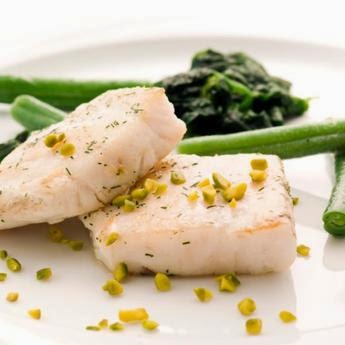
Barramundi
Say what? This fish is making an appearance on restaurant menus, and it's really making waves. With half the calories of salmon, yet equal amounts of omega-3 fatty acids, it’s a great nutrient-dense option. Find it in the frozen section of many natural food stores.


Oats
Most American’s don’t eat enough fiber. Oats are one easy way to load up on this essential nutrient. Since fiber also helps fill you up, it may reduce the risk of middle-age weight gain when combined with other smart nutrition choices.


Red Wine
No, that’s not a typo -- red wine contains a potent antioxidant called resveratrol. Animal research suggests high amounts of resveratrol may prevent cell death in the heart and brain. Now that’s a reason to drink up. Women should aim for one drink per day, while men can have two.


Spinach
This leafy green is a true nutrient powerhouse -- and it’s easy to add to foods like scrambled eggs, pasta, as the base of a salad, or even smoothies. Spinach is rich in lutein, which has been shown to have anti-aging properties.


Corn
Who knew that corn did more than taste good on the cob? A University of Maryland study found that a component of fiber found in corn might prevent the growth of cancer. The researchers speculate the compound, IP6, which is found in corn, causes cancerous cells to stop dividing.


Whole Grains
There’s a lot of controversy about whether grains are actually good from your body, but most of this debate revolves around how carbohydrates impact your body fat levels. The truth: Whole grains have been associated in many studies with preventing cholesterol buildup in your arteries. And like most things in life, moderation is the key.


Cinnamon
Research shows that cinnamon may decrease the post-meal insulin spike. And the more controlled the spike, the less likely you are to store body fat. Sprinkle 1/4 teaspoon of cinnamon on your favorite foods daily — yogurt, oats, cottage cheese, or in a smoothie -- it not only tastes great, but may help slim your waistline. And, it’s a powerful antioxidant to boot.

Dark Chocolate
Let your sweet tooth rejoice — dark chocolate is healthy! Research has shown that dark chocolate – not milk or white – has heart health properties. In fact, eating 1 ounce of dark chocolate per day has been associated with lower LDL (bad) cholesterol and higher HDL (good) cholesterol. Aim for dark chocolate that’s at least 70 percent cacao.


Curcumin
Here’s a new reason to experiment with Indian Food. Louisiana State University researchers found that curcumin — the yellow spice that gives curry its color — may have cancer destroying abilities. The reason: the curcumin restricts blood vessels in cancerous cells and inhibits movement. You don’t need to eat out at an Indian restaurant for the benefit. Just add 1 to 2 tablespoons to chicken, veggies or rice.

Sweet Potatoes
They do more than taste good at Thanksgiving. Sweet potatoes contain lycopene, which protects your skin from UV damage. It also is loaded with vitamin C, which produces collagen for healthier skin.


Green Tea
Whether you drink it hot or cold, or use it as a refreshing base for soups or stews, green tea might help you look younger. In fact, Chinese researchers found that people who drank 3 cups of green tea per day slowed down the aging process. The reason: green tea might improve your DNA structure and slow the shorten of cells that results during aging.


Watermelon
Tomatoes are rich in lycopene. Carrots are filled with beta-carotene. And watermelon is loaded with both vitamins, which help protect your skin and repair cells that are damaged by sunlight.


Hemp
Most people know that salmon is a strong source of omega-3s, but so is hemp. Hemp seeds and oils are a natural moisturized, which helps your skin retain moisture and counteract the effects of aging. Eat the seeds raw, or add the oil to your favorite smoothie.


Rainbow Trout
We already mentioned that salmon is a great option to fight aging, and trout is no different. Your body needs healthy fats because they protect your cells and promote longevity. But the reason trout is great because it’s high in EPA—a fatty acid that fights cortisol (the stress hormone). Try cooking trout in a pan with 2 tbsp of olive oil. Cook on each side for 5 minutes, or until you achieve your desired level of flakiness. We recommend cooking     trout in olive oil.


FOR MORE WORKOUT VIDEOS, CLICK HERE !